


Custom e-Learning Development









Custom e-Learning Development
At skillbest, you can have a customized e-learning course created that is perfectly tailored to your content, target audiences, and learning objectives. We guide you every step of the way—from the initial idea through the instructional design and storyboard to the technical implementation. The result isn’t a generic, off-the-shelf course, but a digital training program that professionally presents your company’s knowledge and ensures it remains useful for the long term.
Whether it’s onboarding, software training, product training, compliance, occupational safety, or cybersecurity: We develop learning solutions that not only inform your employees but also motivate them to think critically, make decisions, and put what they’ve learned into practice.
Knowledge becomes a clear learning journey
PowerPoint presentations, process descriptions, videos, manuals, and meeting notes often already contain a large portion of the required subject matter expertise. However, for e-learning to be successful, these materials must be restructured and tailored to the learners.
Together with your subject matter experts, we analyze the existing content, define specific learning objectives, and develop a clear, cohesive structure. In the process, we determine which information is essential, where additional explanations are needed, and which content is particularly well-suited for hands-on exercises.
The focus is on: source materials, learning objectives, and course structure.
From the Script to the Finished Online Training Course
Once the content and visuals have been approved, the technical e-learning production begins. Our developers build the course using the appropriate authoring tool and integrate the content, design, and learning logic into a fully functional learning experience.
Depending on the project, we incorporate interactions, animations, videos, voice-over narration, subtitles, and knowledge checks. Finally, the training is technically reviewed and prepared for deployment in your learning management system. Depending on your requirements, SCORM-, xAPI-, or cmi5-compatible outputs are possible, for example.
The focus is on: visual storyboarding, technical development, and LMS integration.
Understanding, Applying, and Retaining Knowledge
A didactic concept describes how content is presented so that a specific target audience can achieve the desired learning objectives. This includes the methodological delivery of content, the selection of appropriate interactions, and the design of feedback.
Instead of simply transferring information to digital slides, we develop exercises, decision-making scenarios, and real-world examples. Learners apply their new knowledge directly, recognize connections, and receive clear feedback on their decisions.
The focus is on: learning methods, interactions, and feedback.
Custom e-learning courses for your company
Companies differ in terms of their products, systems, target audiences, processes, and challenges. That is precisely why a generic standard course cannot meet every training objective equally well.
When you have a custom e-learning course developed, your actual workflows, technical terms, roles, and typical decision-making situations can be directly integrated into the training. Learners recognize their own work environment and understand more quickly why a topic is relevant to them. We combine your company’s subject matter expertise with our experience in concept development, instructional design, graphics, animation, and technical development. The result is an online course that not only informs but also actively engages your employees in the learning process.
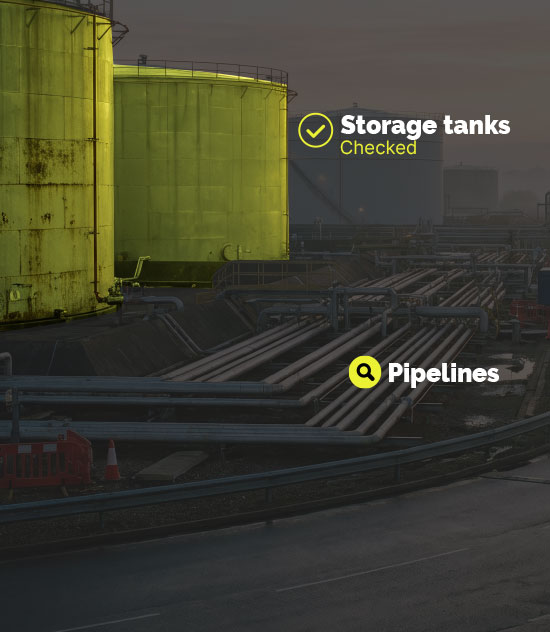
Environmental Management e-Learning for the Petroleum Industry
Environmental management e-learning for the petroleum industry, featuring realistic scenarios, roles, and practical decision-making.

Phishing e-Learning
Train employees to reliably recognize phishing emails in their day-to-day work. Realistic emails, authentic senders and personal feedback increase awareness and promote lasting confidence when dealing with suspicious links.
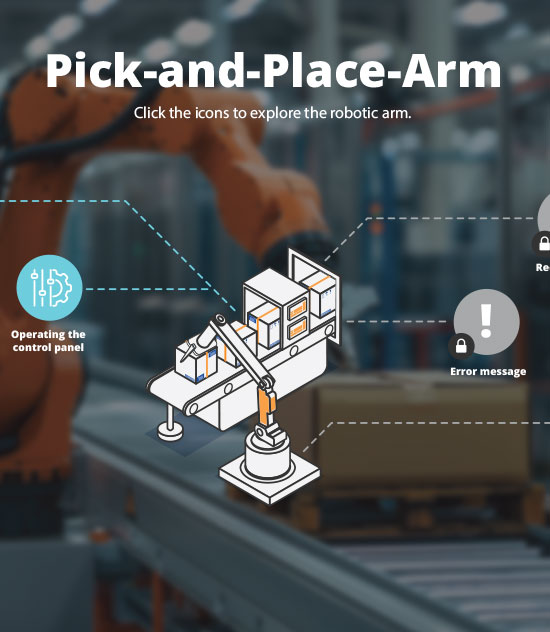
Machine operator training
This best practice shows how e-learning prepares employees for their role as machine operators in a practical way. With interactive machine views, realistic error images and dialog-based challenges, theory becomes applicable knowledge - directly from production, for production.

IT Incident Management Training
In this best practice, learners experience realistic IT incidents first-hand - from the first call to proper documentation. In the role of IT employee Chris, they analyze incidents, make decisions and learn about the entire incident response process. Practical, modular and expandable at any time.
Digital product training with practical relevance
Technical devices such as printers are only convincing if you understand them - and can explain them. We have developed a digital product training course that combines theory, installation and sales talk. Interactive modules, storytelling and a practical challenge turn product knowledge into real application expertise.
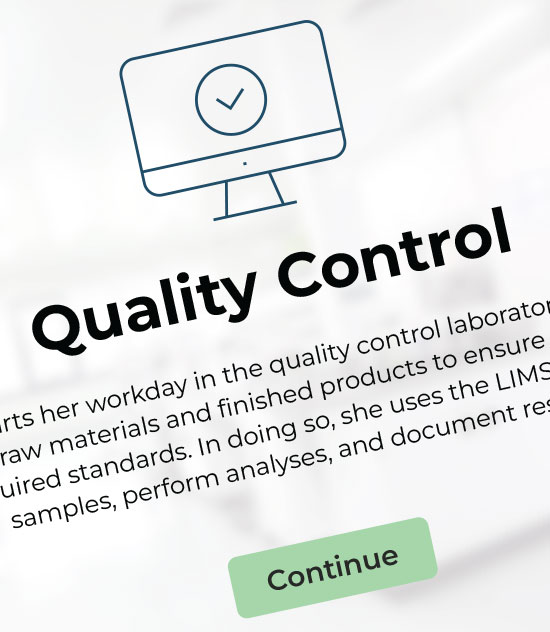
LIMS training
LIMS systems are complex - and often difficult to understand, especially for new employees. Yet their safe use is crucial for smooth quality control processes. We have developed a digital LIMS training course that uses storytelling and interactive elements to convey technical know-how in an understandable and sustainable way.
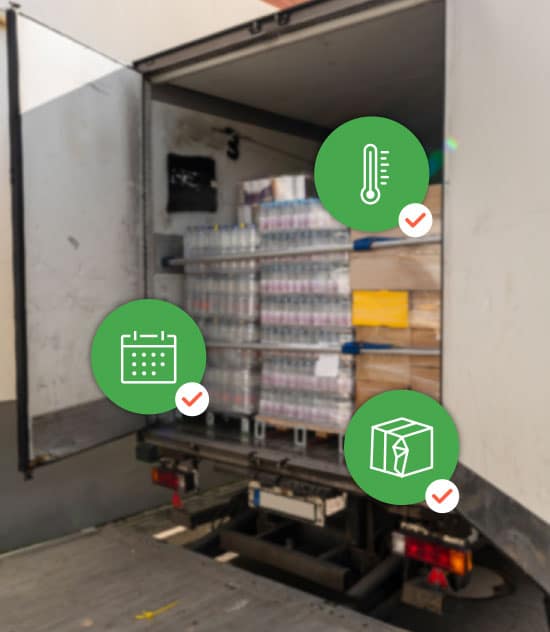
Hygiene training e-learning – Petrol station
Complex hygiene standards do not invite you to concern yourself with them. Yet compliance with them is crucial, especially at petrol station stores, where many goods are stored in a confined space. We have developed a digital hygiene training course that uses storytelling and gamification to efficiently convey hygiene know-how.

Compliance e-Learning
Compliance is an important topic for any large company in order to remain successful in the long term. Unfortunately, relevant training courses are often dry and boring. We have now changed that: Our digital compliance e-learning sends learners on an interactive business and knowledge journey with sales manager Hannah.
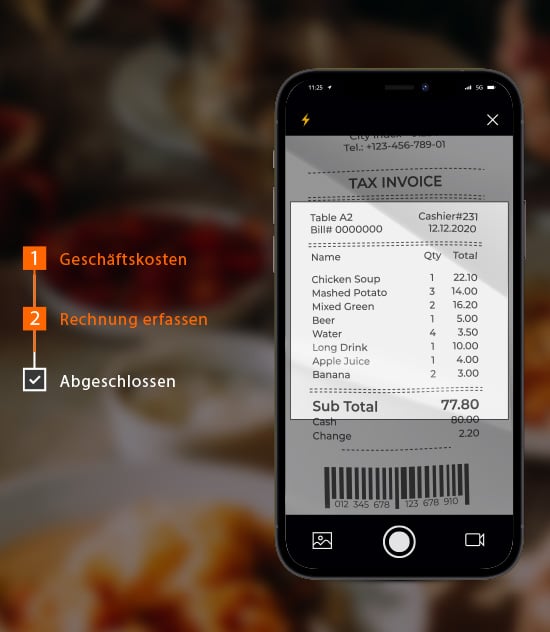
e-Learning travel expense report
What about the taxi receipts? Where are they uploaded? What rules apply to business meals? Questions like these often lead to errors in travel expense accounting. Our e-learning offers a remedy: employees learn all the steps in a fun way on a virtual business trip. Storytelling ensures motivation and quick learning success.

First aid online course
Many people have attended a first aid course at some point, but their knowledge has often faded. Our online first aid course helps to refresh it. Videos and interactive elements are used to simulate realistic emergencies that prompt action. In this way, we specifically train decision-making under stress.

Online driver instruction
Driver training is often seen as a tiresome compulsory program. With our online driver training, we convey the content efficiently and save valuable resources. Topics such as logbooks and expense reports make the tool a comprehensive solution that goes beyond fleet management.

e-Learning Banking
In the bank branch business, employees often change positions or are joined by temporary staff. New employees need to be trained regularly, which is time-consuming. Our e-learning offers a solution: In a digital training course, they experience a typical working day and learn about processes and customer interactions.
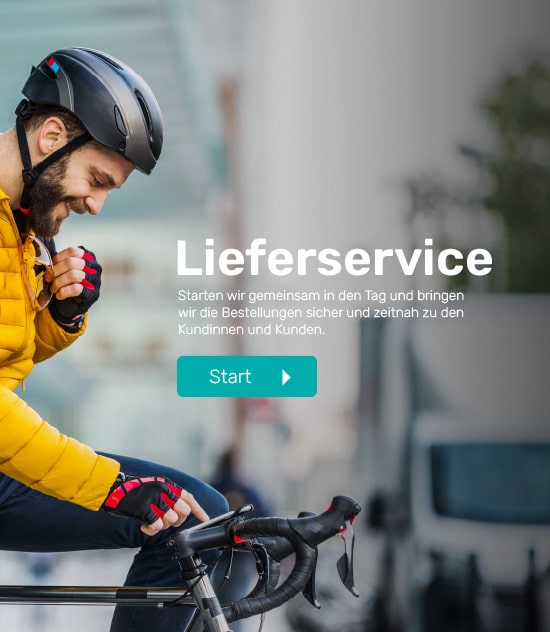
Job simulation delivery service
There is often a high turnover in delivery services, which requires constant training. A job simulation via e-learning can shorten and improve the induction phase. Storytelling makes the content exciting, saves time and resources and increases motivation and learning success.

Onboarding e-learning bakery
Bakeries face the challenge of regularly training new employees. Digital onboarding with a modern e-learning solution can help. Important skills are learned in a playful and stress-free way so that they are quickly ready to work in the branches.
Customized online courses for a variety of learning goals
When you commission an e-learning course, the format should be tailored to your learners, not to a technical template. That’s why we first analyze the topic, the target audience’s prior knowledge, and how the course will be used in their daily work.
The implementation options include WBTs, microlearning, storytelling, decision-making scenarios, software simulations, interactive videos, and gamification. This results in a customized e-learning experience that effectively combines content, pedagogy, and design.
Onboarding
Onboarding and Training
Digital onboarding provides new employees with key information about the company, important processes, points of contact, systems, and expectations.
Instead of overwhelming new colleagues with documents and presentations, a structured learning journey is created. This provides guidance and ensures that foundational knowledge is conveyed in a consistent manner.
Software simulation
Software and Process Training
Interactive demonstrations and simulations are particularly effective for training on new software or changed processes. Learners see specific steps and can then try them out for themselves in a safe learning environment.
This does more than just explain which features are available. Participants learn how to perform typical tasks correctly and efficiently.
Mandatory Training Sessions
Compliance and Mandatory Training
Data protection, codes of conduct, information security, and occupational safety often involve extensive requirements. However, simply presenting the rules does not automatically ensure that employees will act appropriately in critical situations.
Realistic case studies and decision-making questions help apply abstract regulations to everyday work situations. Learners must identify risks, evaluate options for action, and receive direct feedback.
Products & Sales
Product and Sales Training
Products and services can be presented in virtual consulting scenarios, interactive product environments, or realistic customer conversations.
This not only helps employees learn about individual features; it also helps them understand which benefits are relevant to different customer groups and how they can apply that knowledge in conversations.
Technical Training Courses
Technical Training and Production
Machines, systems, maintenance processes, and technical procedures can also be simulated digitally. Users can explore components, analyze failure patterns, and arrange process steps in the correct order.
This makes complex technical knowledge visually understandable and scalable across different locations.
Multilingualism
Multilingual e-Learning Production
International companies often need multiple language versions of a course. Translation and voice-over should therefore be taken into account from the design phase onward.
We can localize text, subtitles, and audio content for various countries. Depending on the quality requirements and the scope of the project, we can use AI voices or professional voice actors.
Our Process
From Concept to Completed E-Learning Course
01 Analysis
During the initial consultation, we clarify the topic, target audience, learning objectives, duration, and technical requirements. Together, we review existing presentations, guidelines, videos, or process descriptions and define the scope of the planned e-learning production.
02 Learning Concept
Based on your content, we develop a clear learning structure and an appropriate instructional approach. In doing so, we determine which knowledge should be taught, applied in practice, and assessed.
03 Prototype
An initial visual prototype provides an early glimpse of what the e-learning course might look like and how it might work. The design, navigation, visual style, and level of interactivity are finalized before full implementation begins.
04 Screenplay
The visual script provides detailed outlines of content, narration, images, exercises, and interactions. Your project team can review the entire online course from both a content and visual perspective and provide targeted feedback.
05 Production
Once approved, our developers implement the script using the appropriate authoring tool. Animations, audio, subtitles, knowledge checks, and interactive elements are combined to create an intuitive e-learning experience.
06 Rollout
Before delivery, we review the training content, visuals, and technical aspects. You will then receive the finished course in the agreed-upon format for your learning management system. Subsequent updates and additional language versions are also possible.
Faq
Frequently asked questions aboute-learning agencies
Do you have any questions that we have not answered in detail on our website? Please feel free to contact us! We look forward to finding out more about you and your project.
When you commission the creation of an e-learning course, a specialized agency will handle the conceptualization, instructional design, layout, and technical development of your digital training program.
The subject matter typically comes from your company. We work together to analyze and structure this content and adapt it to a suitable learning format.
The cost of an e-learning production depends, among other things, on the duration of the course, the level of interaction, the complexity of the content, the design, and the media used.
Audio recordings, videos, software simulations, and additional language versions also affect the scope of the project. After an initial consultation and a review of existing documents, we can provide a specific estimate.
The duration depends on the scope of the course and the complexity of the content. The availability of experts and the speed of the feedback loops also play an important role.
A compact module can be developed in just a few weeks. Extensive or multilingual training courses require more time, as expected.
Presentations, guidelines, process descriptions, manuals, videos, screenshots, or existing training materials can be used as a basis.
These materials do not need to be fully structured at this stage. Any missing information can be developed during workshops.
Yes. You can have a custom e-learning course developed, tailoring the content, design, learning methods, and technical features to your specific needs.
Specific roles, locations, products, systems, and work situations can also be included in the course.
E-learning is an umbrella term for various forms of digital learning. A WBT is a specific type of e-learning and is typically completed through a browser or a learning management system.
When you commission the creation of a WBT, you usually receive a self-contained course that includes navigation, learning content, interactive elements, and knowledge assessments. WBT is often considered synonymous with e-learning.
Yes. The instructional design is an essential part of our projects and our daily work. It defines learning objectives, structure, methods, interactions, and assessments.
This ensures that the training not only presents information but also facilitates a coherent learning process.

Online cybersecurity training – necessary and meaningful
Cybersecurity training online is not only possible, but more effective than expected - if…
Cybersecurity training online: What training should really achieve
A modern online cybersecurity training must do more than just warn. How e-learning…
e-Learning IT security: Why standard courses do not protect
e-Learning IT Security: How customized e-Learnings build awareness and real protection…
Online cybersecurity course for managers: responsibility starts at the top
Managers need customized online cybersecurity courses - for real responsibility and…
Online cybersecurity course: Why awareness alone is not enough
Online cybersecurity course: Strategic guidance for cybersecurity training. Why awareness…
IT security online course: these 5 mistakes to avoid
IT security online course: These mistakes should be avoided during development in order…
Cybersecurity online training with storytelling for real awareness
Cybersecurity online training with storytelling creates real awareness - why HR and…
Cybersecurity online course as a well thought-out curriculum
Curriculum-based cybersecurity online course concept: customized, adaptive content,…
Information security training as e-learning: protection for companies
Discover how customized information security training via e-learning works for large…